
What Is an Airbnb Investment Property?
An Airbnb investment property is any home, apartment, or room you own and rent out on a short‑term basis. Unlike traditional leasing, where tenants sign for six months or more, guests stay for days to weeks. This short‑term rental model offers flexibility, seasonal pricing, and higher potential earnings—yet it also requires more active management and upfront investment.
Defining “short‑term rental” vs “long‑term lease
- Short‑term rental: Bookings under 30 days, often with premium nightly rates.
- Long‑term lease: Tenants stay months or years at a fixed monthly rate.
Common types of Airbnb rental
- Entire-home – full privacy, premium price.
- Private-room – lower cost, share living spaces.
- Shared stay – budget, spare‑room arrangements.
How Our Clients Illustrate the Potential of an Airbnb Investment
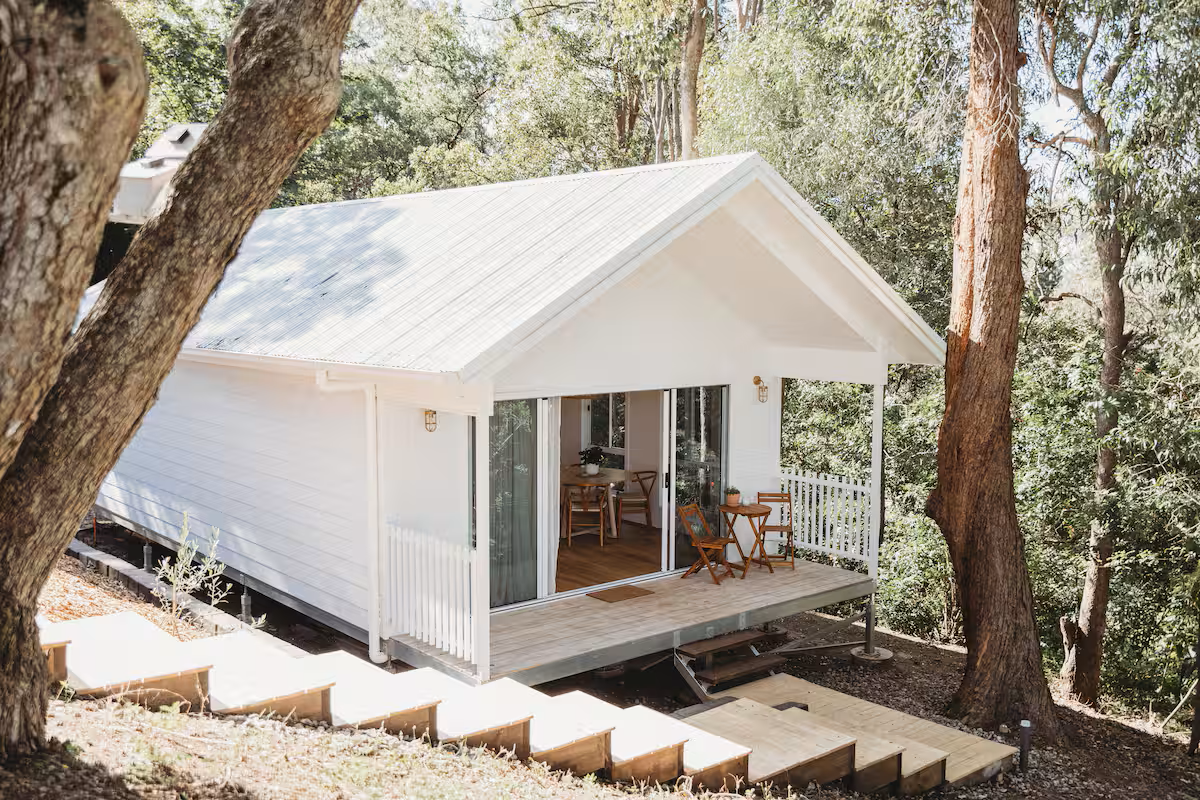
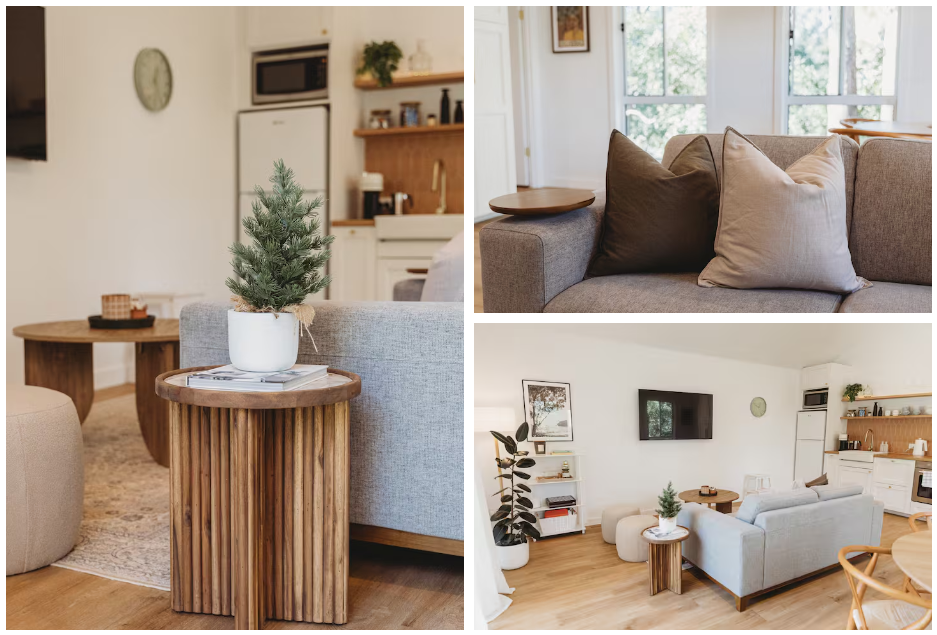
Building a self-contained tiny home our clients were able to offer this private & stylish guesthouse nestled in the Gold Coast hinterland. Perfect for couples, this one-bedroom stay features modern country charm, raked ceilings, luxe finishes, moody lighting, and peaceful privacy. Walk to cafes and Mudgeeraba Village. Just 6 mins to Robina Town Centre and 12 mins to Burleigh Beach. Includes queen bed, plush linens, washing machine, and free street parking.
Tucked away in the treetops of the Gold Coast hinterland the location was set to be desirable. Inside, they focused on a bright and open living space with high raked ceilings, modern country décor, and moody lighting for relaxed evenings which their research into what people looked for in an AirBNB stay was seen as of high importance.
Location & amenities
This property offers:
- 1 bedrooms, 1 bathrooms
- High‑speed Wi‑Fi, balcony, full kitchen
- Private entrance
Projected earnings
- Nightly rate: $260
- Estimated occupancy: 70–80%
- Monthly gross income: $6,240
After expenses (cleaning, utilities, platform fees), net profit is $4,000–$4,500 per month. That’s a yield of 8–10% annually—well above typical long‑term rentals.
5 Advantages of Airbnb Investment Property
Short-term rentals like Airbnb aren’t just trendy—they can outperform traditional leasing when managed strategically. Here are five key advantages to consider:
1. Higher Rental Yields Compared to Traditional Leasing
Airbnb properties often generate significantly higher per-night rates. For example, a property that rents long-term at $500/week could earn $200/night short-term—tripling income during peak seasons. If occupancy holds, annual yields can climb above 10%, especially in tourist-heavy regions like Byron Bay.
2. Seasonal Demand and Pricing Flexibility
You’re not locked into static rent. Platforms like Airbnb and AirDNA allow dynamic pricing based on seasonality, demand spikes, or special events. This lets investors maximize returns during holidays or festivals—and drop prices in off-seasons to maintain occupancy.
3. Shorter Vacancy Cycles
While long-term rentals may sit vacant for weeks between leases, Airbnb units often enjoy back-to-back bookings. With a steady stream of guests, particularly in vacation spots, vacancy downtime can drop to just a few days per month.
4. Diversification Across Guest Types
Instead of relying on a single tenant, you’re hosting a mix of families, couples, tourists, or digital nomads. This diversified guest flow reduces dependency risk and builds resilience across market shifts.
5. Tax Leverage and Asset Appreciation
Short-term rentals can qualify for deductible expenses like utilities, cleaning, property management, furnishings, and platform fees. Plus, Airbnb-friendly suburbs are often growth zones, meaning your investment may appreciate in value faster than rental-only areas.
5 Drawbacks of Airbnb Investment Property
Despite the upside, short-term rentals come with challenges. Be prepared for these five potential downsides:
1. Higher Turnover and Management Burden
You’re managing dozens (or hundreds) of bookings annually. Every guest means new communication, scheduling, check-in logistics, and potential issues. Unless automated, this can feel like running a mini hotel.
2. Upfront Furnishing and Renovation Costs
Airbnb guests expect comfort and aesthetics. That means quality furniture, linens, appliances, and sometimes full renovations to modernize a dated unit.
Startup costs can range from $10,000–$50,000, depending on location and style.
3. Regulatory Risks and Compliance
Some local councils and states in Australia restrict Airbnb operations. You may need to register the property, pay licensing fees, or face caps on the number of booking nights per year. These laws change frequently and must be monitored closely.
4. Cleaning, Utilities, and Hospitality Expenses
Short-term hosting includes regular cleaning, restocking of toiletries, and higher utility usage. Guests may leave lights or air conditioning running—raising energy costs. Many hosts hire cleaners and property managers, which cut into profits.
5. Community Friction and Insurance Premiums
Neighbours may resent increased foot traffic or noise. You’ll also need short-term rental insurance (often pricier than landlord insurance) to cover potential damages, liability, or cancellations.
Pro Tips: Maximizing Returns on Your Airbnb Investment Property
To thrive as a host—and investor—you need more than a great location. Here’s how to boost both earnings and efficiency:
Use Smart Pricing Tools
Leverage platforms like AirDNA, PriceLabs, or Beyond Pricing to adjust rates based on demand, local events, and competitor listings. This automation can increase revenue by 10–30%.
Guest Experience Drives Reviews
Stock high-quality amenities: fast Wi-Fi, coffee machine, Netflix, luxury bedding. Personal touches like welcome baskets or hand-written notes also go a long way. The better your reviews, the more bookings you’ll secure.
Automate and Outsource
Use digital locks for self-check-in, automated messaging for guest communication, and hire local cleaners through apps like TurnoverBnB. This transforms your Airbnb into a “set-and-forget” system.
Legal and Insurance Checklist
- Check local council rules on short-term rentals
- Register your property where required
- Use a dedicated Airbnb Host Insurance policy
- Prepare for emergencies with fire, flood, and safety tools
FAQs About Airbnb Investment Property
1. Is Airbnb more profitable than long-term rent?
In high-demand areas, yes—often by 50–200% more annually. However, profits depend on occupancy, pricing strategy, and operating costs.
2. How do I estimate net income and ROI?
Start with a projected nightly rate × occupancy rate × 30 days. Subtract cleaning, utilities, fees, and management. Divide annual profit by your total investment to find ROI.
3. What are the legal restrictions in Australia?
Regulations vary by state and council. Some require registration, limit stays to 180 nights/year, or enforce zoning rules. Always check with your local council.
4. How to handle seasonality?
Balance pricing: raise rates during holidays, lower them in off-peak seasons. Offer long-stay discounts to fill winter months. Diversify guest appeal to include remote workers or relocation clients.
5. Should I furnish for luxury or budget guests?
It depends on location. In high-end suburbs, luxury pays off. In regional towns, comfort and affordability win. Always read competitor reviews to understand expectations.
6. How to Finance an Airbnb Investment?
Financing an Airbnb property isn’t a one-size-fits-all solution. While traditional home and investment property loans are common, they don’t always account for the higher income potential of short-term rentals. That’s where we come in.
At Pinpoint Finance, we specialise in helping investors like you secure the right loan for your Airbnb strategy. Whether you’re looking to refinance, invest in your first property, or expand your portfolio, our brokers tailor solutions that consider your unique goals—and the true earning potential of your short-term rental.
Book a free consultation with a Pinpoint Finance expert today and explore smarter ways to finance your Airbnb success.